 SantaFeToday.com Santa Fe’s Hometown News

Got a fish story you want to share? |
|
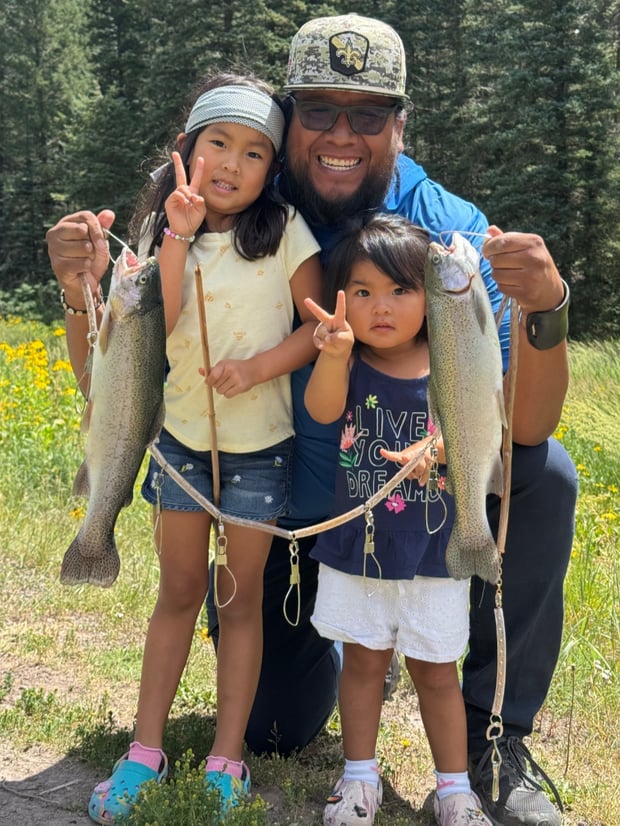
Tell us all about it! Just visit the Department of Wildlife’s Weekly Fishing and Stocking Report website and use the iFish form at the bottom of the page. Submissions received by noon Monday will be considered for inclusion in that week’s fishing report. Fish weights and measurements are provided by the angler and displayed here as received. Photos containing sensitive material may be altered or excluded at the Department’s discretion. |
 |
|
This fishing report has been generated from the best information available at the time of publication. |
|
|
Check out our Wall of Fame |
 |
|
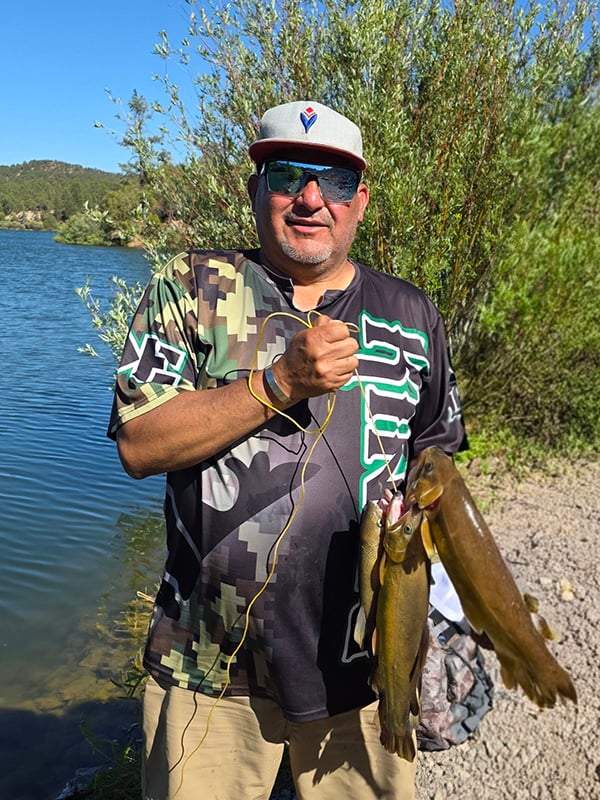
Your response to the iFish form has gone far beyond anything we could have imagined. While we’d love to be able to run every photo we receive, technical limitations keep us from being able to do so effectively.
The Department has started a Wall of Fame, where every photo that we receive will be published during busier times of the year. You’ll be able to find the link to each edition of the Wall of Fame on the Weekly Fishing & Stocking |
|
Report website. Share this link with your friends and family – because what fishing trip would be complete without a little bragging? |
|
|
The 2026-2027 fishing season has begun! |
 |
|
Make sure you are ready for the new license year! Licenses are now available online, at Department offices and vendorsacross the state, or by calling the Department’s Information Center at 888-248-6866.
The 2026-2027 Fishing Rules and Information Booklet is now available online in English and Spanish, with printed copies coming soon to offices and vendors. |
|
|
NORTHEAST |
|
|
NORTHEAST CATCH OF THE WEEK |
|
|
 |
|
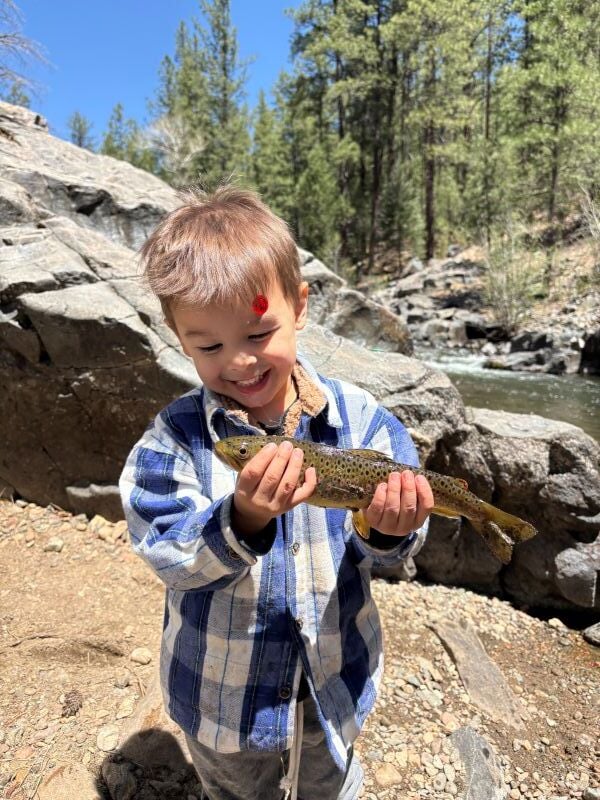
Pecos River: Zya had a great day on the water and caught his limit of trout in 15 minutes. |
|
|
NORTHEAST FISHING REPORT |
|
|
|
Charette Lakes: The most recent report was received April 23. Fishing for trout was fair to good when using Garlic PowerBait and slow to fair when using dough bait. Clayton Lake: The most recent report was received April 30. At that time, fishing for trout was good when using PowerBait. Cimarron River: Streamflow near Cimarron Wednesday morning was 18.4 cubic feet per second (cfs).Fishing for trout was good when using size-16 Guides Choice hare’s ear nymphs. Conchas Lake: The most recent report was received April 23. At that time, fishing for largemouth bass was good when using jerkbaits. Cowles Ponds: The most recent report was received April 30. At that time, fishing for trout was very good when using garlic-scented nightcrawlers. Eagle Nest Lake: The most recent report was received April 16. At that time, fishing was good for trout when using nymphs on a fly rod. For updated lake conditions, visit the park’s webpage or call the park office at 575-377-1594. Lake Alice: For more information, visit Sugarite Canyon State Park’s webpage or call 575-445-5607. Lake Maloya: Fishing for trout was good when trolling worms. For more information, visit Sugarite Canyon State Park’s webpage or call 575-445-5607. Maxwell Lake 13: The most recent report was received April 23. At that time, fishing for trout was slow when using dough bait. Monastery Lake: The most recent report was received April 30. At that time, fishing for trout was fair to good when using worms and PowerBait. Monastery Lake is part of the Department’s Open Gate Program. Please visit our website for more information about this property. Pecos River: Streamflow near Pecos Wednesday morning was 49.6 cfs. Fishing for trout was very good when using lures, Garlic Power Bait and worms. Red River: Streamflow below the Red River Hatchery on Wednesday morning was 30.9 cfs. Red River Hatchery: The most recent report was received April 16. At that time,Fishing for trout was slow when fishing with a pheasant tail nymph on a fly rod. Rio Grande: Streamflow below the Taos Junction Bridge on Wednesday morning was 243 cfs. Fishing for trout was very good when using perdigons and streamers. Rio Hondo: Streamflow near Valdez Wednesday morning was 13.6 cfs. Rio Mora: Streamflow near Terrero Wednesday morning was 9.4 cfs. Rio Pueblo: Streamflow near Peñasco Wednesday morning was 12.1 cfs. Santa Cruz Reservoir: Fishing for trout was very good when using floating PowerBait Power Eggs. Ute Lake: Fishing for smallmouth bass was good when using tube bait.
We received no reports for the following waterbodies over the past three weeks: Cabresto Lake, Coyote Creek, Eagle Rock Lake, Gallinas River, Harris Pond, Los Pinos River, Morphy Lake, Red River City Ponds, Rio Costilla, Shuree Ponds, Springer Lake, Storrie Lake and Stubblefield Lake. |
|
|
NORTHWEST |
|
|
NORTHWEST CATCH OF THE WEEK |
|
|
 |
|
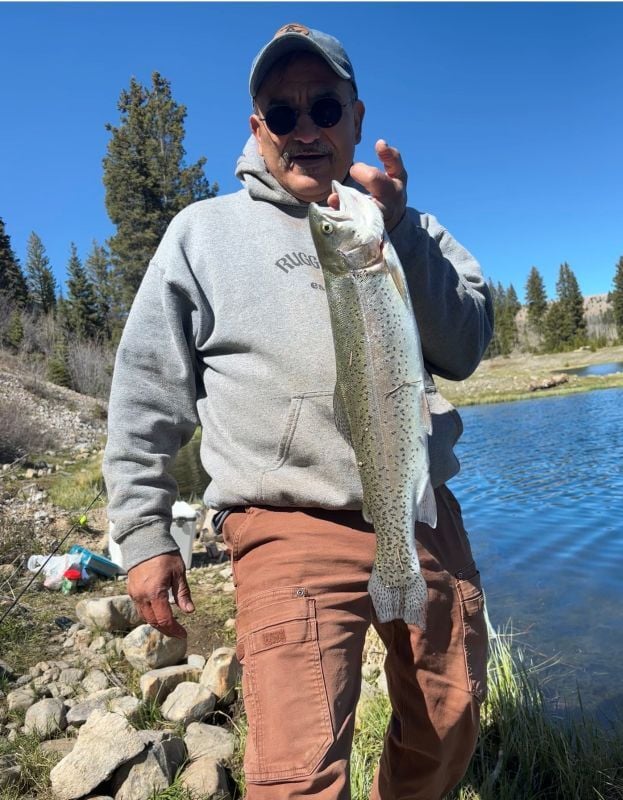
Canjilon Lake: Dominic Martinez took his 90-year-old dad for a day on the water. They caught lots of smaller trout and this 22-inch rainbow. |
|
|
NORTHWEST FISHING REPORT |
|
|
|
Abiquiu Lake: Contact the Abiquiu Lake Main Office at 505-685-4371 for updated lake conditions and closure information. Animas River: Streamflow below Aztec Wednesday morning was 233 cfs. Bluewater Lake: Fishing for tiger muskie was fair to good when using blue fox spinner lures. Fishing for catfish was slow to fair when using raw bacon. Fishing for trout was slow when using Power Bait. Visit Bluewater Lake State Park’s webpage or call 505-876-2391 for more information. Canjilon Lakes: Fishing for trout was very good when using worms and PowerBait. Cochiti Lake: The most recent report was received April 30. At that time, fishing for catfish was slow to fair when using raw shrimp. El Vado Lake: The lake is open to boating and angling with a primitive boat ramp available at the Dam Day Use Area, as well as the main (concrete) boat ramp and courtesy dock at El Vado Lake State Park. For more information, visit El Vado Lake State Park’s webpage or call 575-588-7247. Fenton Lake: The most recent report was received April 16. At that time, fishing for trout was slow to fair when using PowerBait. For more information, visit Fenton Lake State Park’s webpage or call 575-829-3630. Heron Lake: Anglers reported that the water level is slowly coming up but remains extremely low. Jemez Waters: Streamflow near Jemez Wednesday morning was 15.9 cfs. Fishing for trout was good when using beadhead hare’s ear nymphs just below the town of Jemez Springs. Navajo Lake: The most recent report was received April 30. At that time, fishing for northern pike was fair to good when using crankbaits. Fishing for northern pike and smallmouth bass was very good when using swim jigs. Rio Chama: Streamflow below El Vado Lake Wednesday morning was 175 cfs; streamflow below Abiquiu Lake Wednesday morning was 376 cfs. The most recent report was received April 30. At that time, fishing for trout was good when using Rainbow PowerBait below Abiquiu Lake. Please remember, from the river-crossing bridge on U.S. Highway 84 at Abiquiu upstream 7 miles to the base of Abiquiu Dam is special trout waters with a bag limit of only two trout. Rio Grande: Streamflow at Albuquerque Wednesday morning was 104 cfs. San Juan River: Streamflow near Archuleta Wednesday morning was 488 cfs. The most recent report was received April 23. At that time, fly fishing was good in the quality waters. Seven Springs Kids’ Pond: The most recent report was received April 16. At that time, fishing for trout was very good when using pink salmon eggs. If you catch a native Rio Grande chub in the Kid’s Pond, please do not leave it on the bank; return it to the water where it can survive as part of our native ecosystem. Tingley Beach: Fishing for bluegill was very good when using 6th Sense swimbaits. Fishing for largemouth bass was good when using 6th Sense shad swimbaits. Trout Lakes: The most recent report was received April 23. At that time, fishing for trout was very good when using spinners.
We received no reports for the following waterbodies over the past three weeks: Albuquerque Area Drains, Brazos River, Jackson Lake, Laguna del Campo, Lagunitas Lakes, Lake Farmington, Liam Knight Pond, McGaffey Lake, Rio Cebolla, Riverside Park Pond (Aztec Pond #1), San Gregorio Lake and Tiger Park Reservoir. |
|
|
SOUTHWEST |
|
|
SOUTHWEST CATCH OF THE WEEK |
|
|
 |
|
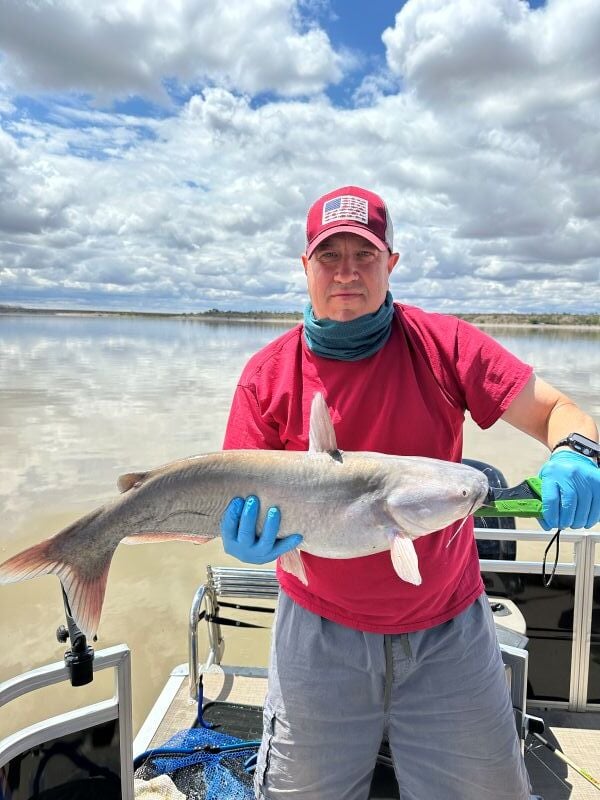
Caballo Lake: Robert Resendez caught a few big blue catfish using cut bait on May 2. |
|
|
SOUTHWEST FISHING REPORT |
|
|
|
Bear Canyon Lake: Fishing conditions have been adversely affected in the aftermath of the Trout Fire. Bill Evans Lake: Fishing for catfish was fair to good when using Orange PowerBait. Caballo Lake: Fishing for catfish was good when using cut bait. Elephant Butte Lake: The most recent report was received April 23. At that time, fishing for largemouth bass was good when using grubs. The South Monticello boat ramp is currently closed due to low water levels. The closure will be lifted when water levels rise and conditions allow. Escondida Lake: Fishing for catfish was good when using swim baits. Gila River: Streamflow near Gila Wednesday morning was 53.6 cfs. Gila Waters: Streamflow near Gila Hot Springs Wednesday morning was 62.9 cfs. Lake Roberts: Fishing for catfish was slow when using PowerBait. Quemado Lake: The most recent report was received April 23. At that time, fishing for tiger muskie was good when using Panther Martins. Rio Grande: Streamflow below Elephant Butte Dam on Wednesday morning was 518 cfs. Snow Lake: The most recent report was received April 16. At that time, fishing for trout was slow when using spinners and flies.
We received no reports for the following waterbodies over the past three weeks: Glenwood Pond, Percha Dam, Rancho Grande Ponds, Trees Lake and Young Pond.
|
|
|
SOUTHEAST |
|
|
SOUTHEAST CATCH OF THE WEEK |
|
|
 |
|
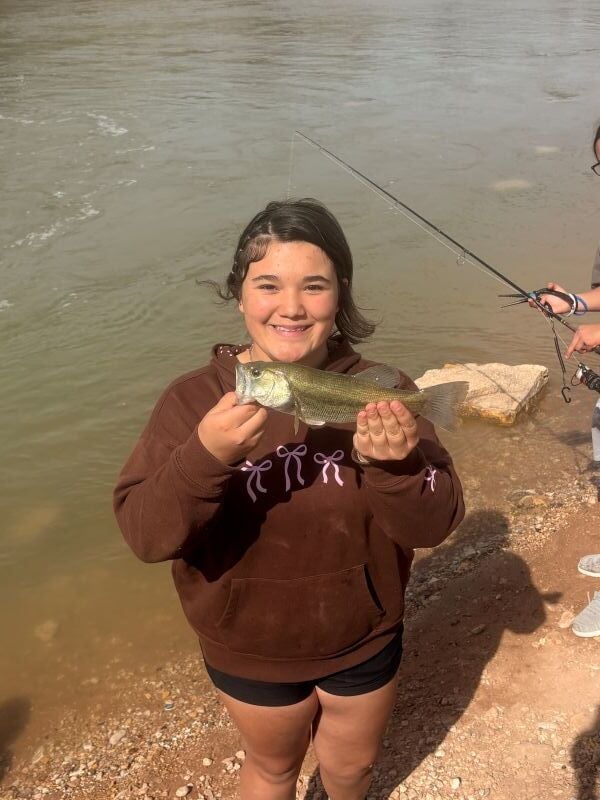
Brantley Lake: Amiah Valdez, age 13, caught this largemouth using a white fluke bait. |
|
|
SOUTHEAST FISHING REPORT |
|
|
|
Alto Lake: Fishing for trout was very good when using PowerBait and wooly buggers. Berrendo Creek: Please visit the Open Gate webpage for more information on this property. Black River: Streamflow at Malaga Wednesday morning was 15.9 cfs. Bonito Lake: Fishing for trout was very good when using various types of garlic-scented PowerBait, worms and Kastmasters. Only fishing activities are permitted at Bonito Lake. Brantley Lake: Fishing for largemouth bass was very good when using a pink rattler lure and white flukes. Fishing for white bass was good when using lures. Fishing for walleye was good using a white lure. Greene Acres Lake: The most recent report was received April 23. At that time, fishing for smallmouth bass was fair to good when using homemade dough bait. Grindstone Reservoir: The most recent report was received April 23. At that time, fishing for trout was fair to good when using Pink PowerBait. Grindstone Reservoir is currently open for fishing. Due to changing wildfire impact closures, please see the Grindstone Reservoir Webpage before planning a visit. Pecos River: Streamflow below Sumner Lake Wednesday morning was 1,320 cfs. Rio Ruidoso: Streamflow at Hollywood on Wednesday morning was 12.1 cfs. Fishing conditions will be adversely affected for an extended period of time due to recent flooding in the area. Santa Rosa Lake: Fishing for largemouth bass was slow to fair when using a Texas rig. Sumner Lake: The most recent report was received April 30. At that time fishing for walleye was fair to good when using crawdad deep divers.
We received no reports for the following waterbodies over the past three weeks: Bataan Lake, Blue Hole Park Pond, Bosque Redondo Lake, Bottomless Lakes, Carlsbad Municipal Lake, Chaparral Park Lake, Corona Pond, Dennis Chavez Pond, Estancia Park Lake, Eunice Lake, Green Meadow Lake, Harry McAdams Park Pond, Jal Lake, Lake Van, Ned Houk Ponds, Oasis Park Lake, Perch Lake, Rio Bonito, Rock Lake Hatchery Kids’ Pond and Spring River Pond.
|
|
|
TIPS, TRICKS AND STORIES |
|
|
A big effort to make largemouths |
 |
|
By Melissa Garnett Southeast Area Public Information Specialist
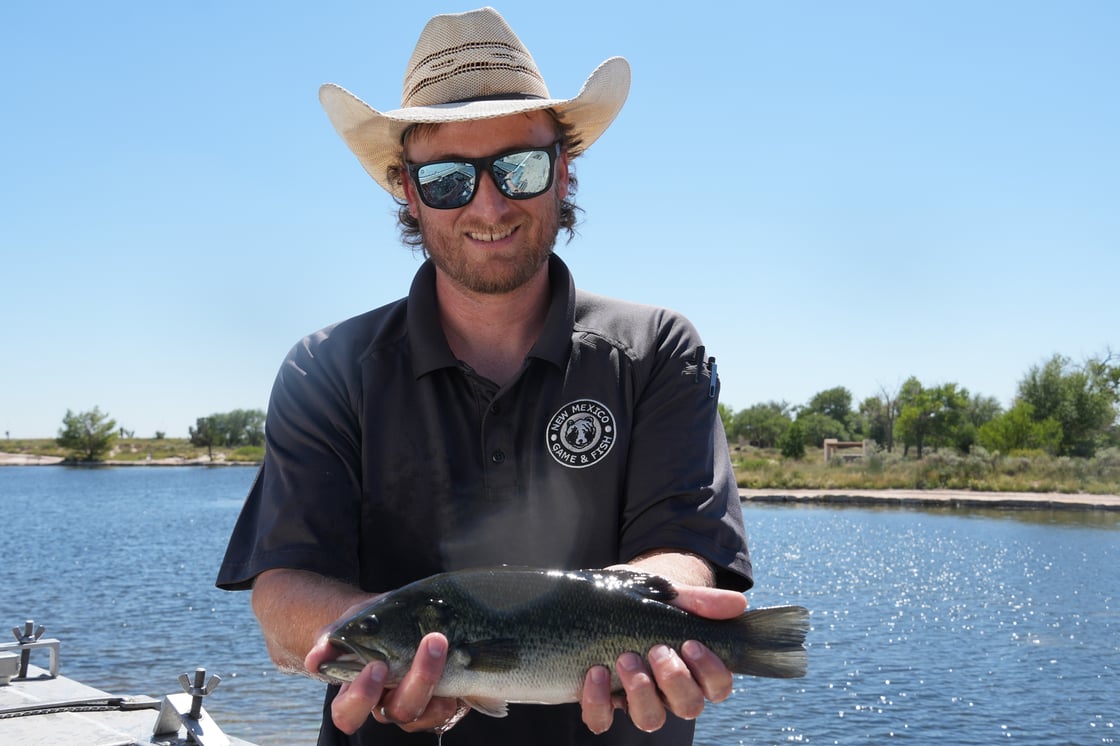
The New Mexico Department of Wildlife operates one warmwater hatchery: the Rock Lake State Fish Hatchery, nestled two miles south of Santa Rosa.
The hatchery specializes in growing largemouth bass for warmwater fisheries across the state. A big effort goes into growing largemouth. This is the time of year that bass are spawning. Caring for and conditioning broodstock requires hatchery biologists to ensure fish are disease-free and in good body condition. Fat healthy fish make babies.
Spawntex (coconut fiber) mats are placed in ponds for brooders to lay eggs on. The texture of the mats is perfect for eggs to stick. Males stake out a little nest and entice females to lay their eggs. After fertilization, males will stay with the nest and guard the eggs and newly hatched fry. The male fans the eggs with his fins to increase oxygen flow and protects them from predators.
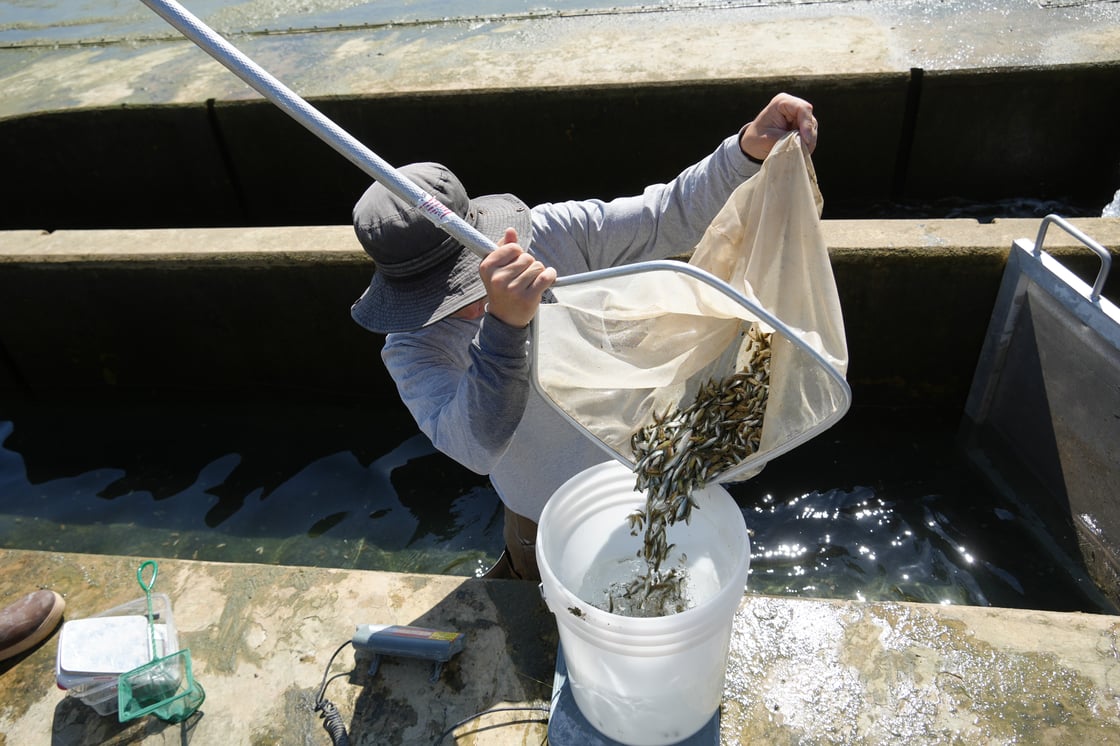
Hatchery staff collect these mats and incubate them in the hatchery building to increase the hatch rate. The eggs hatch in 7-10 days, depending on temperature. Newly hatched fry live on nutrients in their yolk sack for a few days while they finish developing a gut that can handle prey. Once they are ready to start hunting, they go back outside into a pond to live on zooplankton. This stage is called grow-out, or Phase I. Phase I bass are ready for harvest when they reach a certain size or when the pond runs out of food. |
 |
|
Fish farming is a combination of science and a little bit of art. A hatchery worker understands the biology of the fish he or she is growing and the signs and cues from the environment that tell him or her when a pond “looks ready.” The ponds at Rock Lake are lined and have Kansas kettles — concrete U-shaped structures at the bottom of the pond. As the water drains, the fish are herded into the kettle where they can easily be crowded and processed. Every time the fish are moved, biologists get a count to measure survival and growth rates.
Some bass are stocked at this stage, while some go back inside the building for feed training. Feed training is no joke. It’s an intense week of feeding bass every 30 minutes around the clock for 24 hours. Its constantly cleaning tanks, checking for disease and mortality, prepping feeds and typically bringing in fish from other ponds concurrently with the ones you’re training.
Once largemouth bass have been trained to eat a pelleted diet, they can grow to large sizes, reaching 12+ inches in roughly two years. It also helps to grow all fish equally, so there the population is more uniform in size. Of course, largemouth will still chase and eat live prey if offered, but the cost of producing large numbers of forage for grow-out bass is significant. Wild forage brings wild disease and parasites into a squeaky-clean hatchery — no, thanks! Our staff has been working hard on growing these little beauties and we don’t want the risk.
Feed-trained bass can return to ponds for another phase of grow-out. Some are set aside to grow to catchable size (12-14 inches), and some are kept for future broodstock.
Next time you catch a big one, thank your hatchery team, and think about starting that New Mexico Bass Challenge — this could put you one fish closer to completion! New Mexico’s bass trophy lakes include Lake Roberts, Bill Evans Lake and Clayton Lake. |